Insider Guide · 2026
Chichen Itza History & Facts: 20 Things You Should Know Before You Go
The full history, meaning and fascinating facts about the greatest Maya city - from its 6th-century founding to its status as a New Wonder of the World.
Quick answer
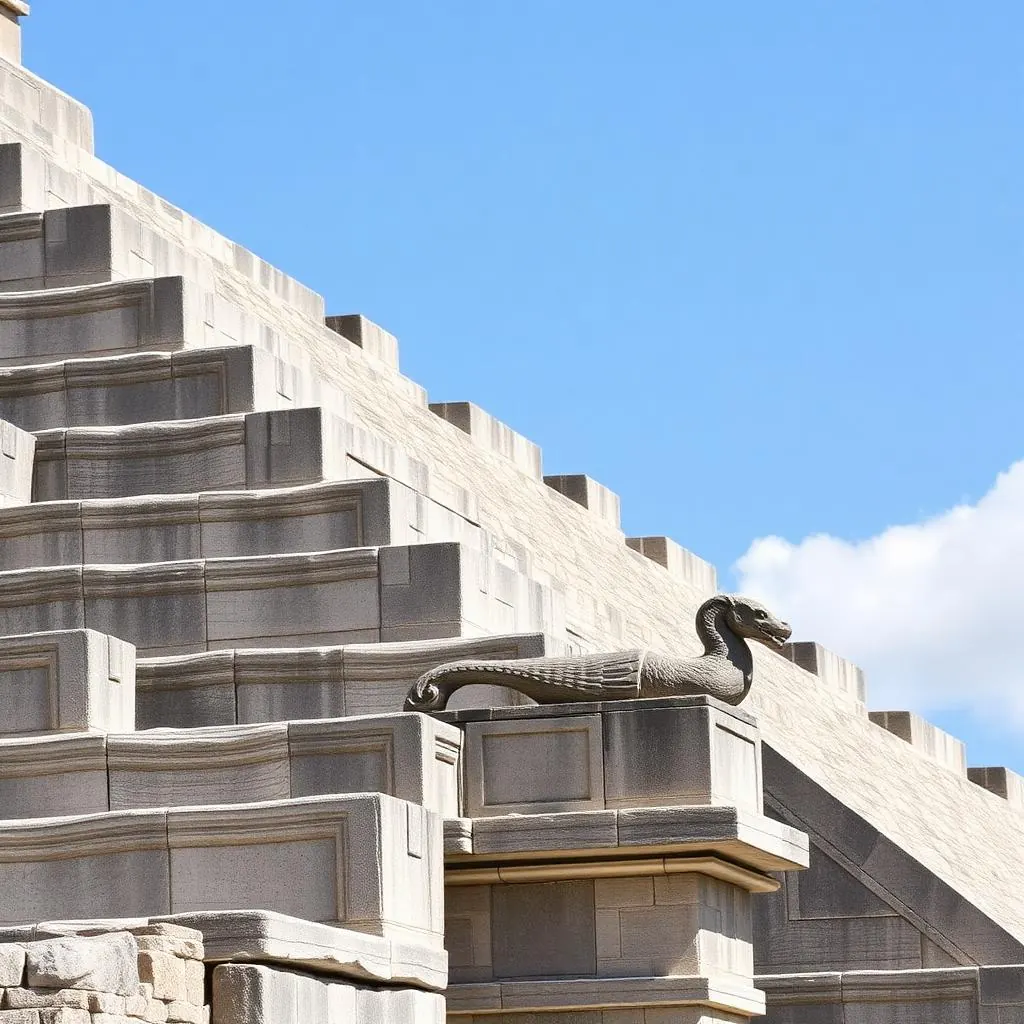
Who Built Chichen Itza?
Chichen Itza was built by the Maya, one of the most advanced civilizations of the ancient Americas. The city grew over 900 years across two main phases.
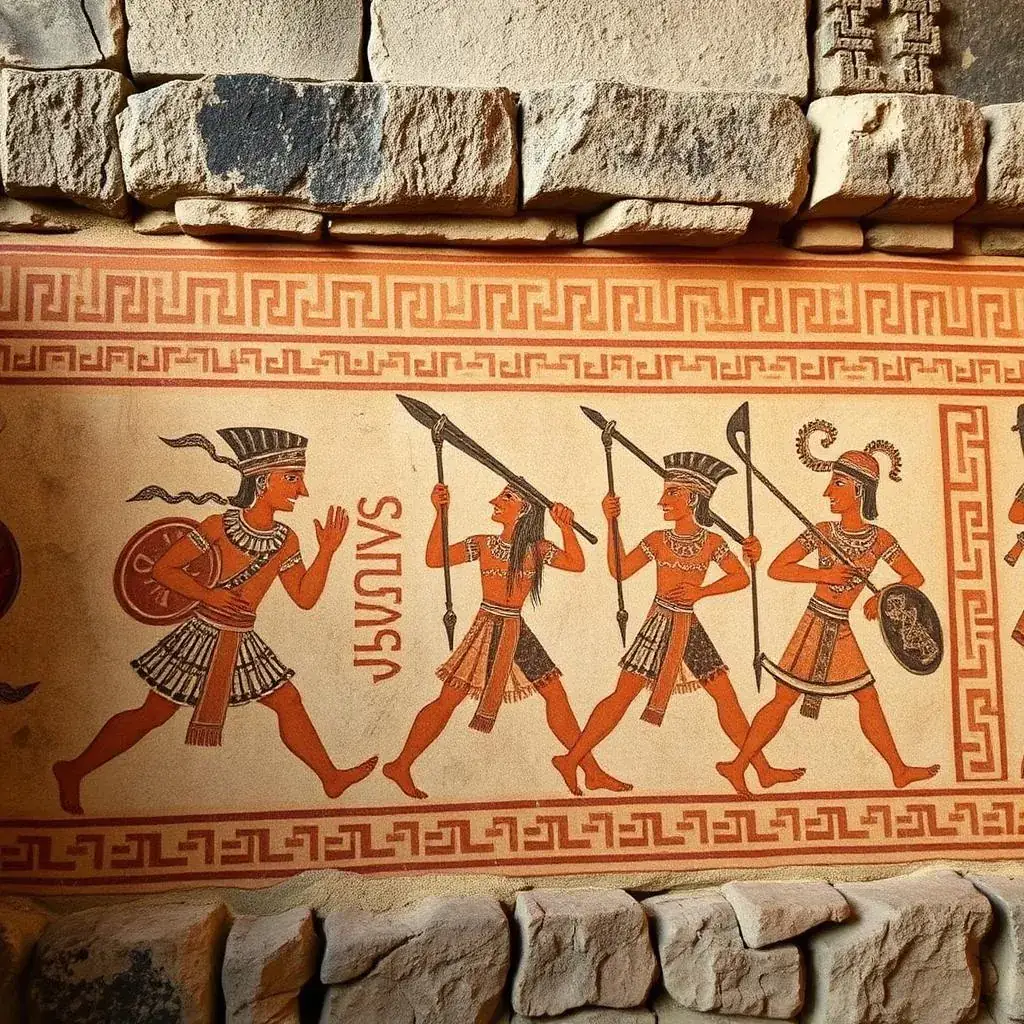
The Maya
The Maya civilization spanned Mexico, Guatemala, Belize, Honduras and El Salvador. They pioneered writing, astronomy, math (including zero) and monumental architecture.
The Itzá
Chichen Itza was ruled by the Itzá - a Maya group whose name gives the city its meaning: 'at the mouth of the well of the Itzá' (referring to the Sacred Cenote).
Toltec Influence?
The northern (Toltec-style) structures once fueled a theory of Toltec invasion. Modern research suggests instead a shared Mesoamerican style during the 10th–11th centuries.
Maya Descendants Today
Around 6 million Maya still live across southern Mexico and Central America - many in Yucatán villages you'll pass on the way to the ruins.
When Was Chichen Itza Built? A Timeline
Chichen Itza's story stretches from the 6th century AD to today - nearly 1,500 years of history.
c. 550 AD - Founded
First settlements around the Sacred Cenote and nearby springs. Early buildings show classic Puuc-Maya style from the region.
800–1000 AD - Rise
Chichen Itza becomes a regional power. The Nunnery, Observatory (Caracol) and House of the Deer are built.
1000–1200 AD - Peak
The city dominates the northern Yucatán. El Castillo, the Great Ball Court and Temple of Warriors are completed. Population estimated at 50,000+.
1200–1400 AD - Decline
Trade shifts, drought and internal conflict lead to gradual abandonment. Mayapán rises to take its place as the regional capital.
1533 - Spanish Contact
Spanish conquistador Francisco de Montejo briefly camps at Chichen Itza during the conquest, then retreats after Maya resistance.
1841–43 - Rediscovery
American explorer John Lloyd Stephens and English artist Frederick Catherwood publish drawings that introduce Chichen Itza to the world.
1988 - UNESCO
Chichen Itza is declared a UNESCO World Heritage Site.
2007 - New Wonder
Voted one of the New Seven Wonders of the World in a global online poll.
What Does 'Chichen Itza' Mean?
The name is Yucatec Maya and describes what made the site sacred to its people - its wells.
Chi = 'Mouth'
'Chi' in Yucatec Maya means 'mouth' or 'edge' - the opening of something.
Chen = 'Well'
'Chen' means 'well' - the natural cenotes (sinkholes) that provided fresh water in the porous Yucatán limestone.
Itzá = A People
The Itzá were the Maya group that ruled here. Their name is often translated as 'water sorcerers' or 'people of the water.'
Full Meaning
'At the mouth of the well of the Itzá.' The Sacred Cenote north of El Castillo is the well the name refers to.
El Castillo: The Pyramid That's a Calendar
El Castillo (also called the Temple of Kukulkán) is a 24-meter-tall step pyramid that encodes the Maya solar calendar.
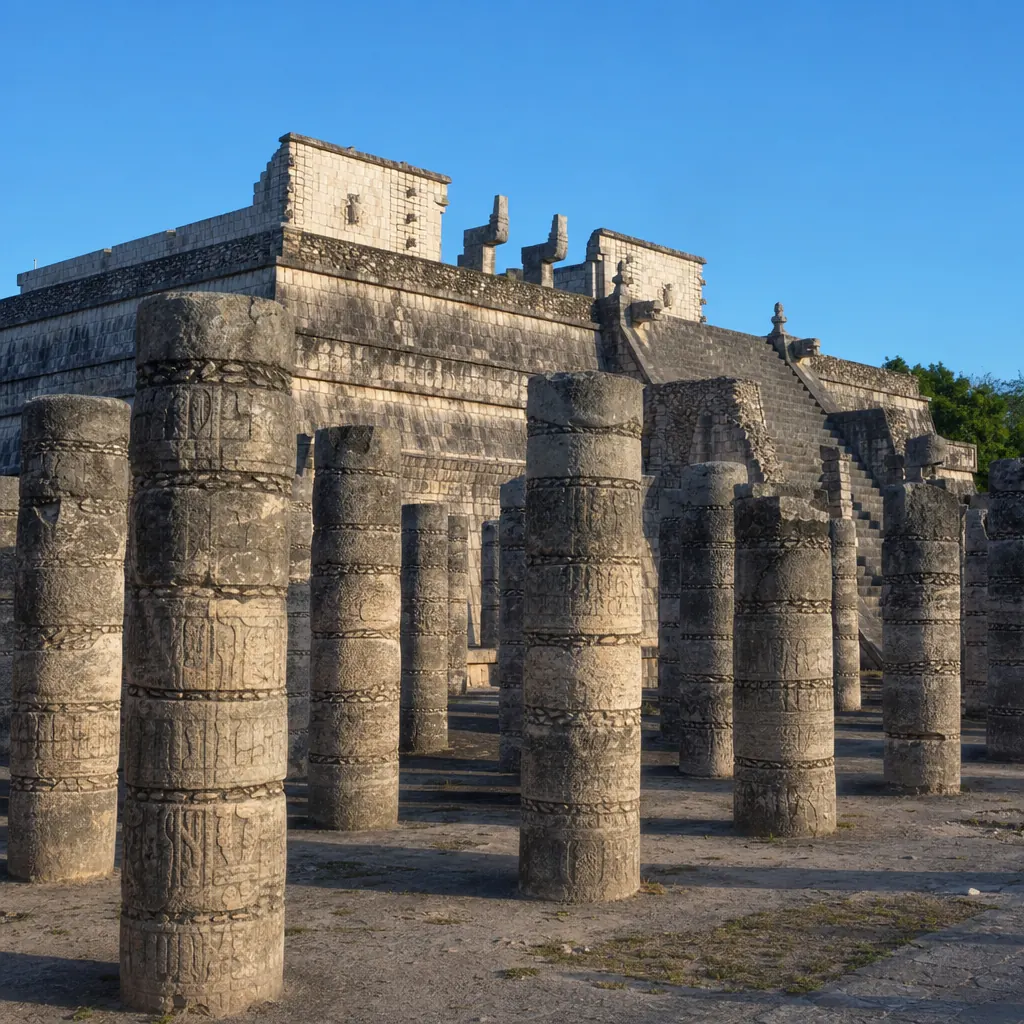
365 Steps
The four staircases have 91 steps each (364) plus the top platform = 365 - one for every day of the solar year.
52 Panels
Each side has 52 flat panels - matching the 52-year Maya calendar round when the solar and ritual calendars align.
18 Terraces
9 terraces on each side of the stairway = 18 total, matching the 18 months of the Maya haab' (solar) calendar.
The Serpent Shadow
On the spring and autumn equinoxes, sunlight and shadow form a serpent slithering down the north staircase - the feathered god Kukulkán descending to earth.
A Pyramid Inside
Inside El Castillo is an older, smaller pyramid - a common Maya practice of building larger structures over older ones. A jaguar throne and Chac Mool statue were found inside.
The Sound Effect
Clap at the base of the north staircase and the echo returns as a chirp - the exact call of the sacred quetzal bird. Acoustics engineered on purpose.
The Great Ball Court: Biggest in Mesoamerica
Chichen Itza's Great Ball Court is the largest ancient ball court in the Americas - and possibly the most impressive.
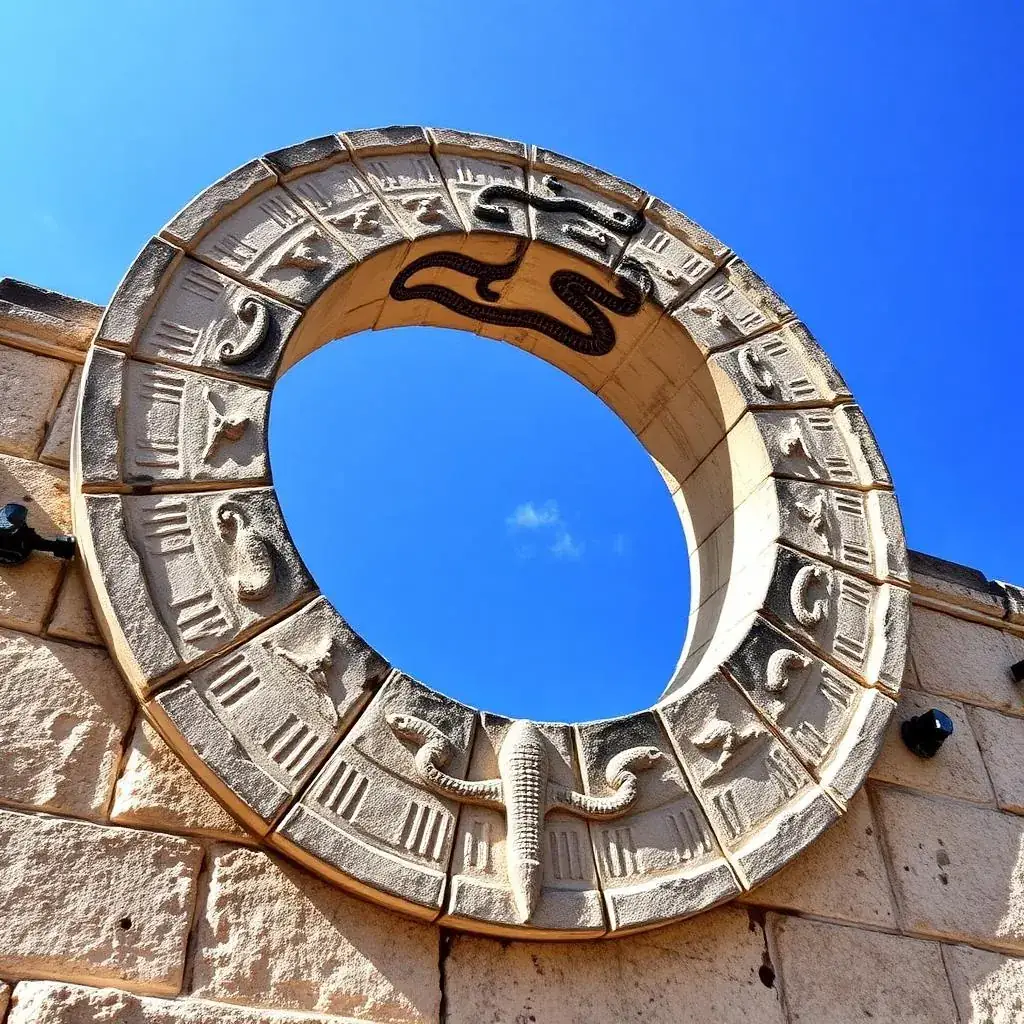
Size
168 meters long by 70 meters wide - roughly the size of a modern football field, with 8-meter-high walls.
The Game (Pok-ta-Pok)
Players used hips and elbows to knock a solid rubber ball through a stone ring 6 meters up the wall - extremely difficult.
Ritual, Not Sport
The game was tied to religion and cosmology, sometimes ending with the sacrifice of one team's captain.
The Acoustics
A whisper at one end can be heard clearly 168 meters away at the other end - one of the most remarkable acoustic phenomena of the ancient world.
Carved Panels
Reliefs along the walls show a decapitation scene - clear evidence of the ritual sacrifice associated with the game.
The Sacred Cenote: A Well of Offerings
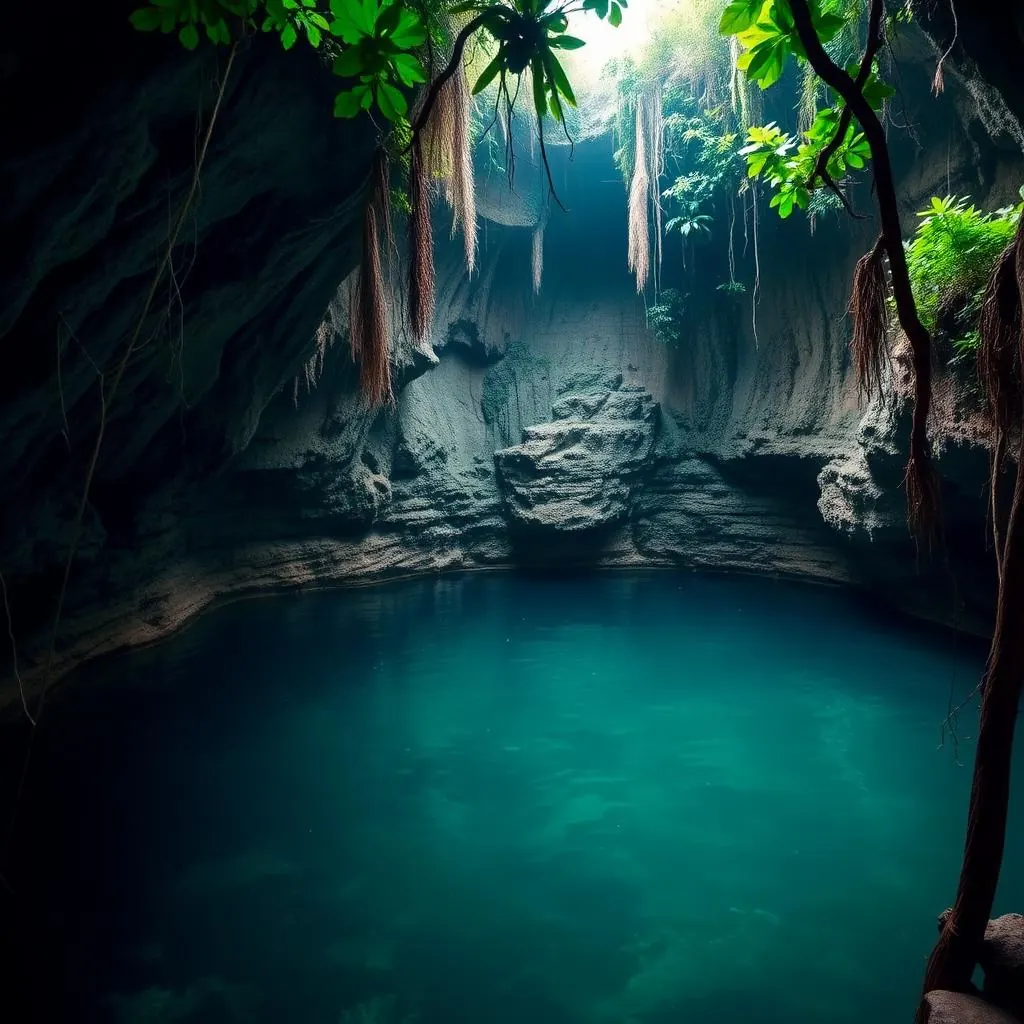
The Sacred Cenote (Cenote Sagrado) north of El Castillo was Chichen Itza's most important religious site - and a portal to the underworld.
Size
60 meters wide and 27 meters deep, with sheer vertical walls that drop straight into dark green water.
Ritual Offerings
Between 1900 and today, divers have recovered gold, jade, obsidian, copper, textiles, incense and human remains - offerings to the rain god Chaac.
Not for Swimming
Unlike the swimmable cenotes nearby, the Sacred Cenote is off-limits - a protected archaeological site.
Where to Swim
For a cenote swim, pair the ruins with Cenote Ik-Kil, Suytun or Yokdzonot - see our cenote tour guide.
The Observatory (El Caracol): Maya Astronomy
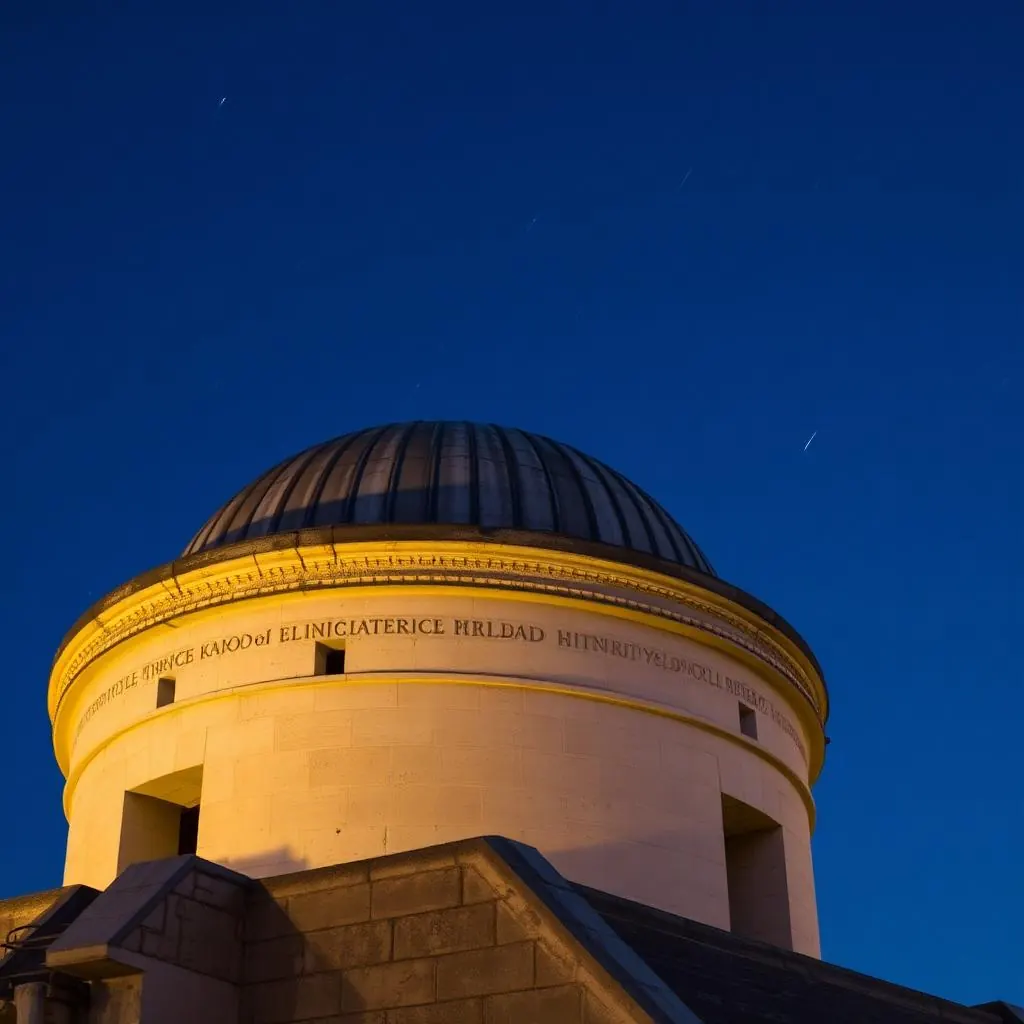
The round-towered El Caracol ('The Snail') is one of the earliest astronomical observatories in the Americas - and shows how deeply the Maya understood the sky.
The Building
Named for the spiral staircase inside. Small windows in the tower align with astronomical events - most famously the extreme positions of Venus.
Venus Cycle
The Maya tracked Venus's 584-day cycle with extraordinary precision, off by only 2 hours per century - better than European astronomers of the same era.
Solar & Lunar Events
Alignments in El Castillo, El Caracol and other buildings mark equinoxes, solstices and lunar standstills.
Why It Mattered
Astronomy governed agriculture, religion and warfare. Kings claimed divine authority by predicting eclipses and planetary events.
10 Amazing Facts About Chichen Itza
Quick facts to share with your travel companions - or to impress your guide.
1. Wonder of the World
Named one of the New Seven Wonders of the World in 2007, alongside Machu Picchu, Petra and the Taj Mahal.
2. UNESCO Site
A UNESCO World Heritage Site since 1988 for its outstanding cultural and architectural value.
3. 2.5 Million Visitors/Year
Mexico's second most-visited archaeological site (after Teotihuacan).
4. You Can't Climb El Castillo
Climbing was banned in 2006 after a fatal fall. The pyramid is fenced off - respect the boundary.
5. It's Owned by the State
The land was privately owned until 2010, when the state of Yucatán purchased it for MX$220 million.
6. The Quetzal Echo
Clap at El Castillo's north staircase and you get a bird-like echo - the call of the sacred quetzal.
7. Whisper Wall Acoustics
A whisper at one end of the Great Ball Court is audible 168 meters away - no amplification needed.
8. Hidden Cenote
In 2015, researchers discovered a hidden cenote directly beneath El Castillo. Its existence may explain the pyramid's exact placement.
9. A Pyramid Inside a Pyramid
El Castillo contains an older, smaller pyramid - and inside that, an even older structure. Three temples in one.
10. Astronomically Perfect
The equinox serpent shadow was designed, not accidental. The Maya knew the sun's position for centuries in advance.
Planning Your Visit: Bring the History to Life
The history lands hardest with a certified guide walking you through the ruins. Combine with our best time to visit and opening hours guides.
Hire a Guide
Certified guides transform the stones into stories. MX$800–1200 at the entrance for a 2-hour tour, or included in most group tours.
Arrive Early
At 8 AM the plaza is quiet enough to actually hear the acoustic effects. By 10:30 AM it's too loud to try.
Book a Guided Tour
For hassle-free history, join a tour from Cancún or private tour with a certified guide.
Read Before You Go
'Incidents of Travel in Yucatán' (Stephens, 1843) is still the classic - free online - that inspired global fascination with the ruins.
Want the full story with a certified guide?
We include a licensed English/Spanish guide who brings the Maya history to life - no deposit, WhatsApp booking.
Ask us on WhatsApp